[News] Meta Deleted the Wording That Spooked Creators — Did Anything Actually Change?
- Free tier: Yes
- Cheapest paid plan: US$28/mo and up
- Free quota: The free tier offers 3 credits per month (approximately 5 minutes of …
- Last checked: 2026-10-22
Article last updated: 2026-10-18


A company can delete a sentence overnight. Changing what it does with your data takes a lot longer, and usually leaves a paper trail. This week Meta pulled language from its own policies that had drawn fire over scraping and AI training. The edit is real. Whether the behavior underneath it moved is a separate question — and that is the one worth asking before anyone relaxes.
We cover Fliki here as a text-to-video and AI voice tool: paste text or a blog link, get a narrated video, with a stock library and voice cloning (training an AI to copy a specific voice) built in. That makes the people who read this page exactly the people this Meta story is about — creators who pour their words, their footage and sometimes their own voice into AI systems. So we are treating it as news that matters to you, not as a Meta story that happens to be filed next to a pricing page.
What happened
TechCrunch reported on 2026-10-17 that Meta removed wording from its policies that had raised concerns about two things: scraping — the automated mass-collection of online content — and AI training, meaning using that collected content to teach AI models. The Verge covered the same change. A second, related report from The Verge and Tom’s Hardware says Meta’s updated business terms “may allow” it to train AI on news publishers’ content for free. Note the word “may”: neither report shows it is settled, and that story concerns publicly posted news content, not private messages or photos. We cannot confirm the two are one and the same terms change, so we treat them as one topic and do not connect them further. Source: https://www.theverge.com/tech/1012846/meta-business-terms-scrape-news-publishers
Two terms worth pinning down, because they get blurred together:
- Scraping is how the data gets gathered. Bots crawl public pages and pull text, images and video at scale.
- AI training is what happens next. That gathered material becomes the fuel that teaches a model to write, speak or generate images.
The headline is the confirmed part: the language is gone. What we have in front of us from these reports does not spell out, clause by clause, what the old wording said versus what replaced it, or whether Meta issued a plain-English explanation alongside the edit. We are not going to fill that gap with guesses.
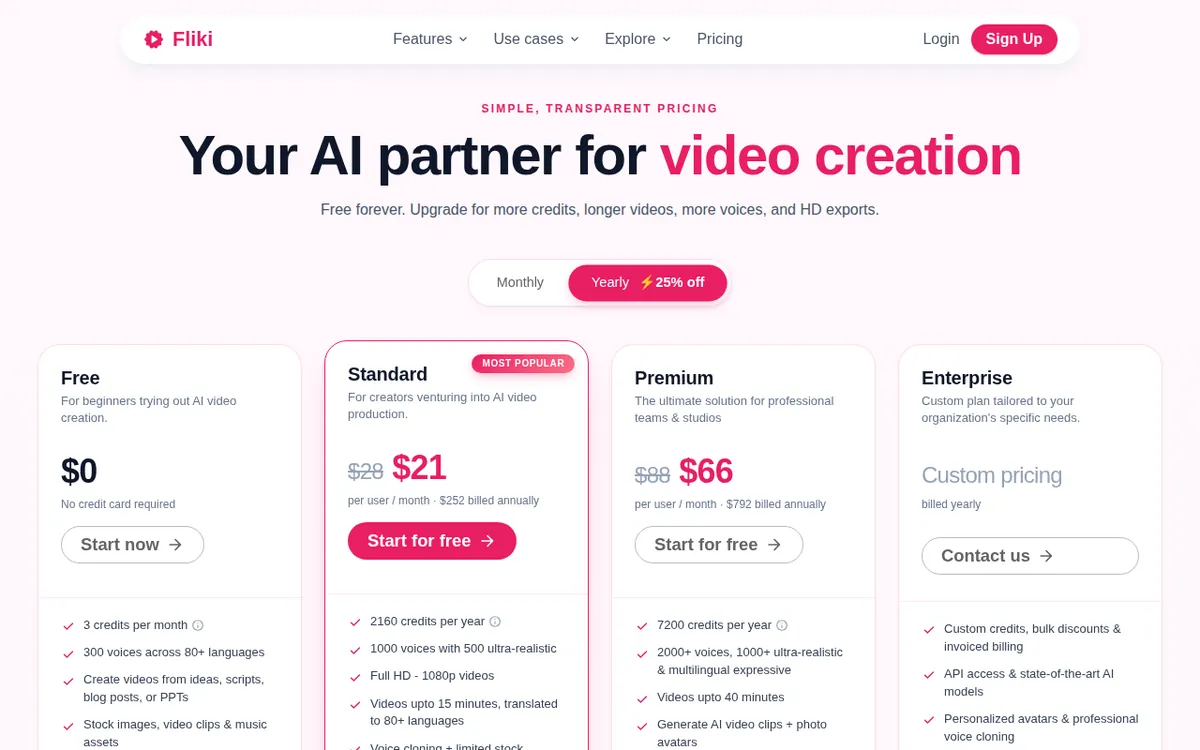
Figure: fliki.ai official pricing page, captured 2026-10-18.
How AMPM sees it
Start with the obvious trap. Removing the sentence that people objected to is not the same as removing the thing they objected to. It can mean the opposite — that the company no longer wants to commit to the limit the old wording implied. It can also be a cleanup with no behavior change at all. From the reports alone we cannot tell which. That uncertainty is the story, and anyone who reads the edit as a win is getting ahead of the evidence. (Inference: the direction of the change is unknown from the sources we have.)
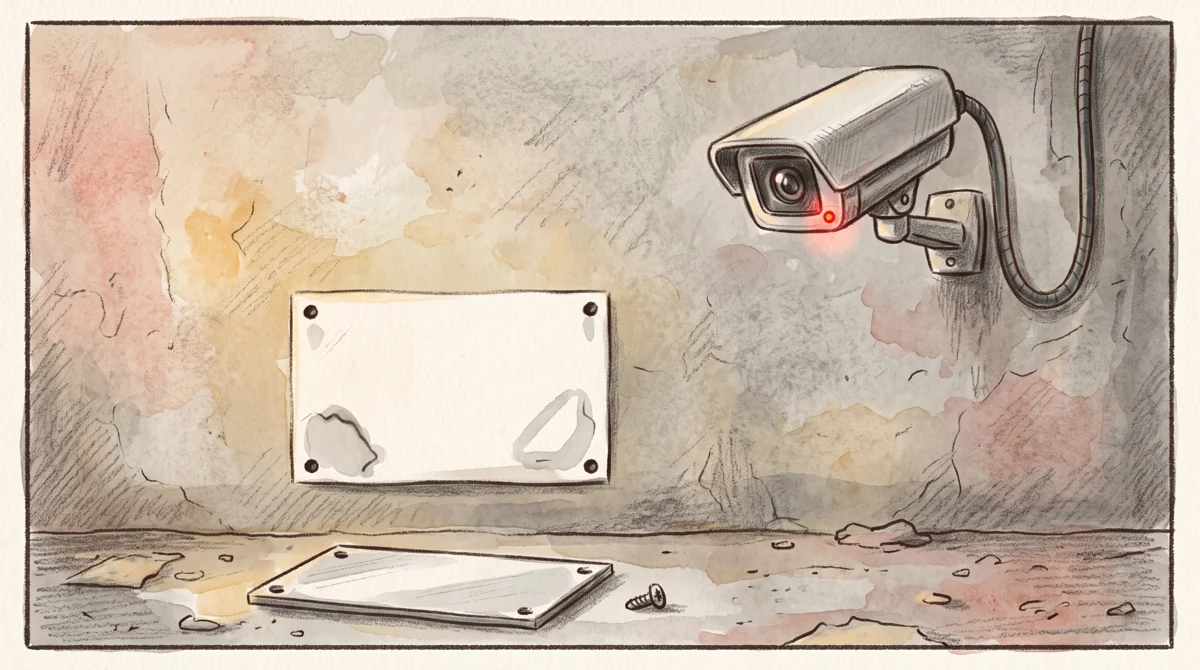
Illustration: Taking down the notice sign does not turn off the surveillance camera watching above.
Here is why it lands on a creator tool’s doorstep. When you use any AI video or voice product, you are constantly moving content across a line:
- You upload a script, a blog URL, images or a voice sample.
- The tool processes it to make your output.
- Separately, the company behind the tool decides whether that material can also be used to train its models.
That third step is the one policy language governs. When a platform the size of Meta edits the words around scraping and training, it resets what counts as normal for the whole field. Smaller tools write their terms with one eye on what the giants are getting away with. (Inference: this is how industry norms tend to drift, not a claim about any specific Fliki policy.)
Who should care most. Three groups.
- Anyone cloning their own voice. A voice sample is biometric-grade personal data. If training rules loosen across the industry, the question “can my cloned voice end up in someone else’s model?” stops being paranoid.
- Writers and publishers. If you feed a blog link into a tool, your public writing was already scrapeable. The edit matters because it touches the rules on whether that writing feeds training.
- Agencies handling client material. You are responsible for data you do not own. Looser upstream norms raise your exposure, not just the platform’s.
The privacy and safety angle. The concern was never the wording for its own sake. It was what the wording let the company do, and whether users had a real choice to opt out. Deleting the clause does not answer the opt-out question. If anything it makes it harder to point to a written promise later. A watchdog reads a policy that gets shorter the same way it reads a receipt that gets vaguer — with more attention, not less.
Where it fits. This is one move in a long argument over who owns the material that trains AI. Regulators in the EU and elsewhere have been pushing platforms to be explicit about training use and opt-outs. A quiet deletion runs against that pressure for transparency. (Inference: based on the general regulatory direction, not a statement about any specific enforcement action tied to this edit.)
What to watch next. Three concrete signals, in order of usefulness:
- A replacement clause or an official explanation from Meta. If one appears and it is clear, the deletion was likely housekeeping. If it stays vague, treat the quiet as the message.
- Whether other large AI and social platforms trim similar language in the following weeks. Copycat edits would tell you the norm is shifting, not just one company’s paperwork.
- Whether any opt-out or data-control setting changes for ordinary users. That is the part that actually touches your content.
What does this change for a Fliki user today? Nothing mechanical. Your account, your uploads and your outputs work exactly as before. What it should change is your habit: read the training and data terms of every AI tool you feed, screenshot them, and judge companies by what they do with your content over time — not by how tidy their policy page looks this week.
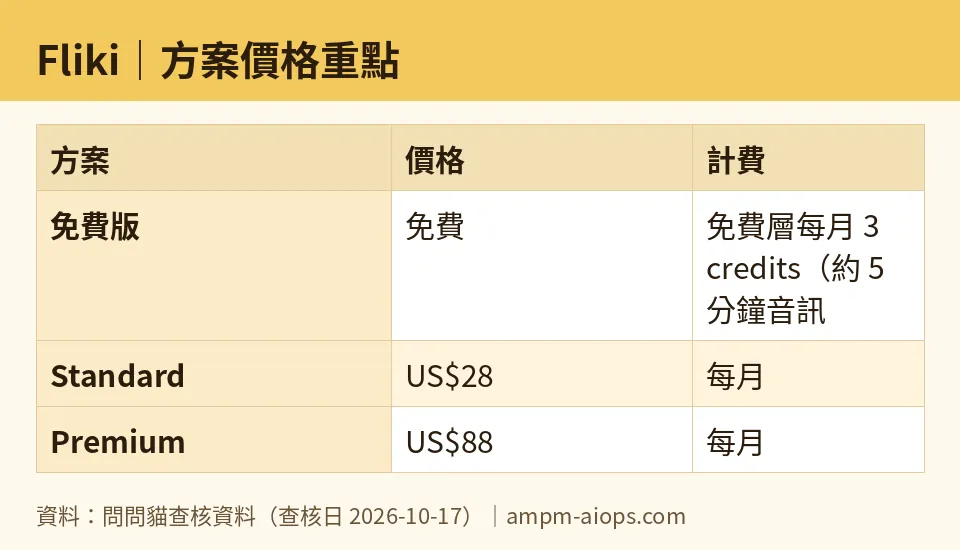
Figure: compiled by AMPM from its verified data (last verified 2026-10-17).
🔍 AMPM exclusive check
We read both outlets named here before writing. What we can confirm from them is narrow and we are keeping it that way: the language was removed, and it was the wording tied to scraping and AI-training concerns. What the reports in front of us do not nail down — the exact text removed, the exact text (if any) that replaced it, and whether Meta paired the edit with a user-facing explanation — we are flagging as not established rather than papering over. If Meta publishes the replacement wording, we will update this page with the before-and-after rather than the headline alone. Checked 2026-10-18.
Sources
- TechCrunch, “Meta removes language that raised scraping and AI training concerns,” 2026-10-17 — https://techcrunch.com/2026/10/17/meta-removes-language-that-raised-scraping-and-ai-training-concerns/
- The Verge — same story, independent coverage.
Written: 2026-10-18 Price last verified: 2026-10-17 Tool last health-checked: 2026-10-18
🔗 Related on AMPM
📎 Sources
All prices and quotas in this article come from AMPM’s verified dataset for Fliki (last verified 2026-10-17); primary sources:
🐾 Meet the cats: AMO and PIMI

AMPM is a Taiwan-based AI-tool pricing watchdog. Our motto: ask before you subscribe. Two cats argue every tool from two sides:
- ☀️ AMO — the budget-minded cat. Always asks: is the free tier enough, and is paying actually worth it?
- 🌙 PIMI — the performance-minded cat. Cares about whether it works well, fast, and gets your job done.

When they are done arguing, you know whether to pay. Every number is checked by us, with the verification date at the end.
🐾 Our sister sites also checked
Read next
- Fliki Full breakdown: pricing, features and real-world limits
- Fliki Is the free quota enough?
- Fliki Alternatives
- Free plan limits for every AI tool we track
More verified articles on this tool
- [How-to] Fliki's Free Tier: How Much Video You Really Get a Month, and What to Know First
- Fliki Free Plan: What the Monthly Free Credits Actually Buy You (2026)